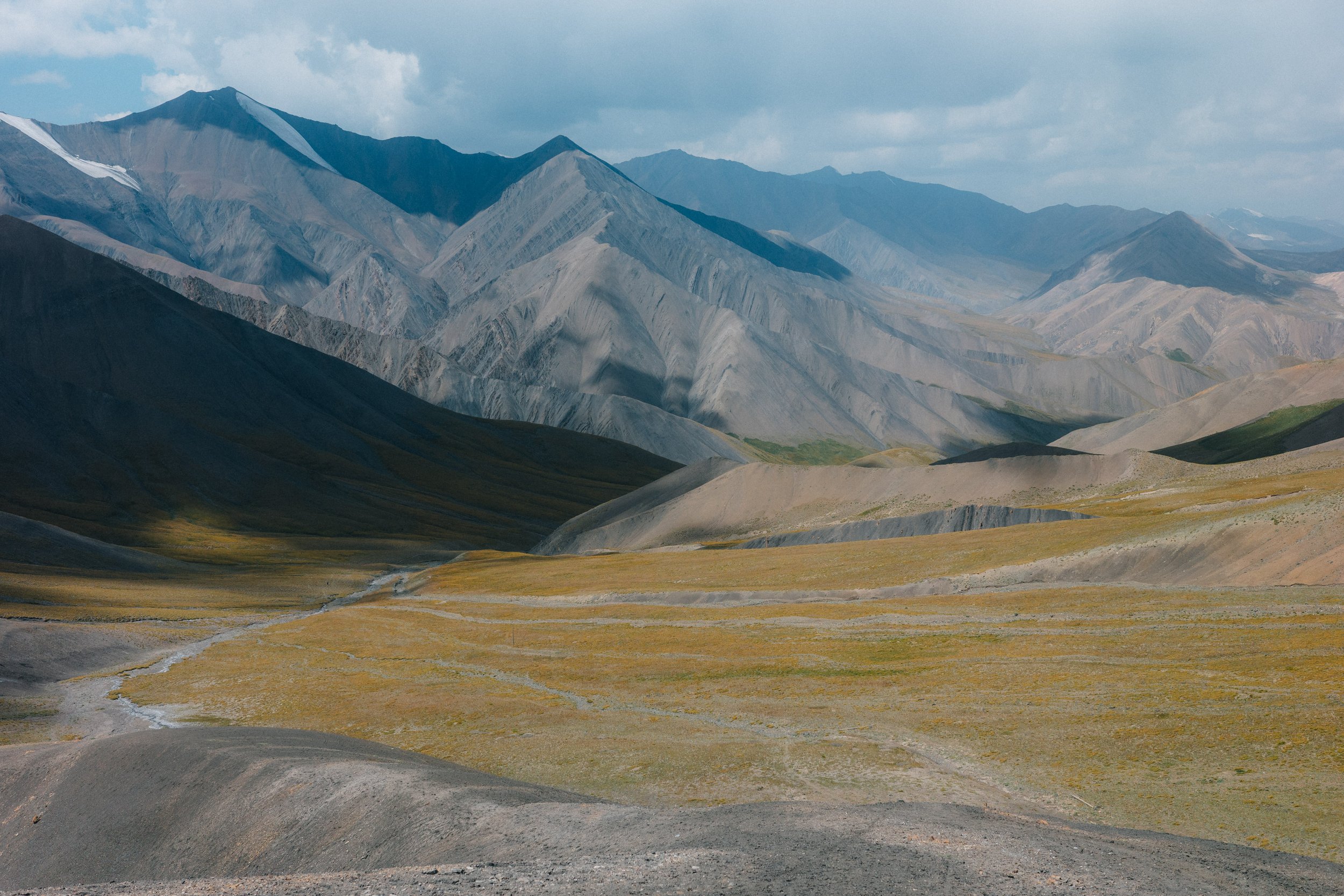
Further Together: Stefan and Hélène's Kyrgyzstan reflections
Our friends Stefan and Hélène team up for the intense Silk Road Mountain Race. Braving the remote steppe and high mountains of Kyrgyzstan, they discover their winning team formula that carried them to second place. Read on for their reflections and stunning photos from Kyrgyzstan…
Photos by Stefan Haehnel, words by Stefan and Hélène Fromenty
Stefan and Hélène, you’re both experienced ultra cyclists. What motivated you to put yourselves—and your relationship—to the test under the extreme conditions of the Silk Road Mountain Race?
Hélène: I signed up for Silk Road because I wanted to get out of my comfort zone. I’ve been racing ultras and tons of brevets. So I have some experience on tarmac, but off-road cycling is really new to me. I’m always willing to gain new skills, to discover new places, and also I’m getting more and more attracted by remote areas and deeper nature. So SRMR was the perfect plan to tick all those boxes!
About the “team” part: we are used to riding together, but indeed we had never raced together before. I think the trigger was the fact that we have had a long-distance relationship for two years and that we wanted to spend more time together. So back then, registering as a pair made more sense than as two solo riders. We knew that racing as a duo would be a challenge in the challenge, but we also knew that, if we managed it, we and our relationship would grow from it. Lastly, it made sense for me to team up with Stefan, as he had already raced Silk Road before and has a lot of experience in off-road cycling. It was very precious for me, as a beginner in this field.
Stefan: Exactly, while living in a long distance relationship, it felt wrong to do the same race for two weeks, but not seeing each other. This spring we both did Desertus Bikus, a road race crossing the Spanish peninsula. While chatting on the phone with each other during the race, we decided we should do the SRMR as a pair.
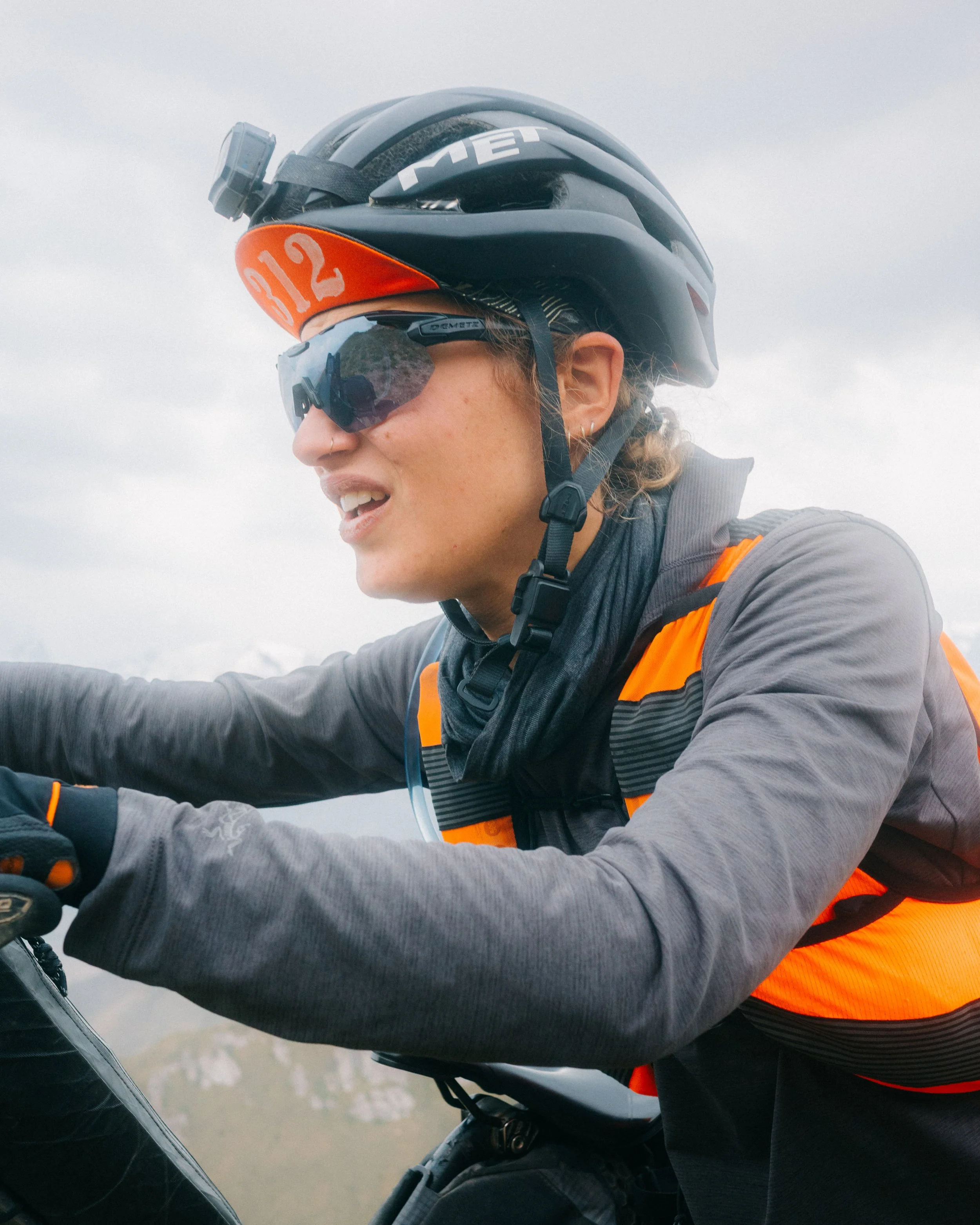
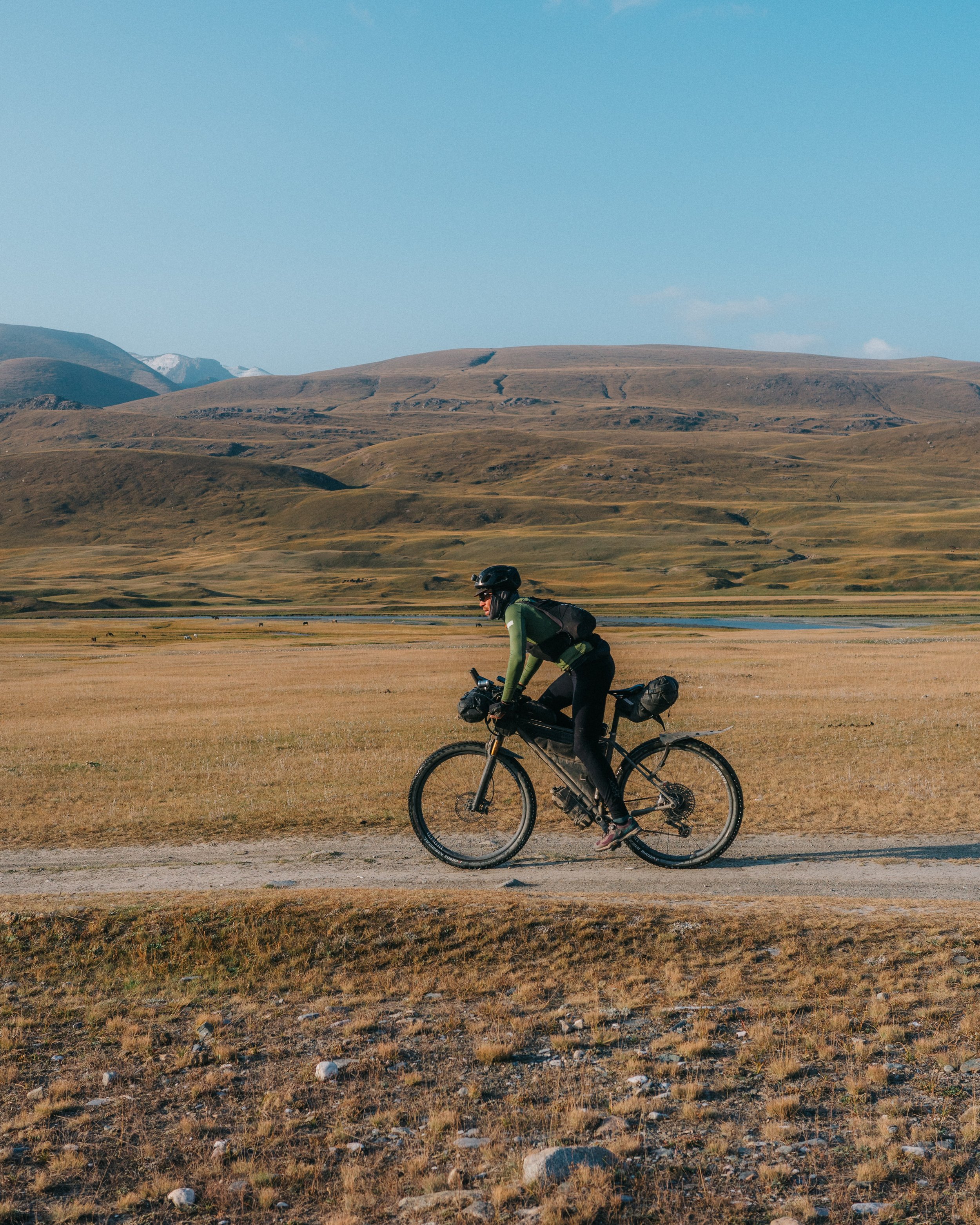
You two came in 40th place overall and 2nd pair, finishing in under 12 days—congratulations! What would you say was the most important factor in your success? How did your mindset change over the race?
Stefan: It worked out because we wanted to have a good time, and we did everything possible to ensure that. We didn’t look at the tracker, in order to focus on our own experience and not to stress ourselves with what the others were doing, especially the other pairs. Also, we tried to ride efficiently, without too many useless stops but with a good amount of sleep, around six hours per night.
During the first days, we didn’t really know where we were in the pack, which was a bit stressful, but it pushed us to stay concentrate. After Naryn, the big city halfway on the course, we felt more confident about the timing and the cut-offs. From there, we knew that we could make it on time to the finish—if nothing bad happened. 400 kilometers from the finish line, we finally looked at the tracking and saw that the first pair was not so far ahead of us. So we decided to go to race mode until the end—it was fun!
Hélène, big kudos to you for finishing as a mountain biking newbie. What were some of the challenges that the road did not prepare you for?
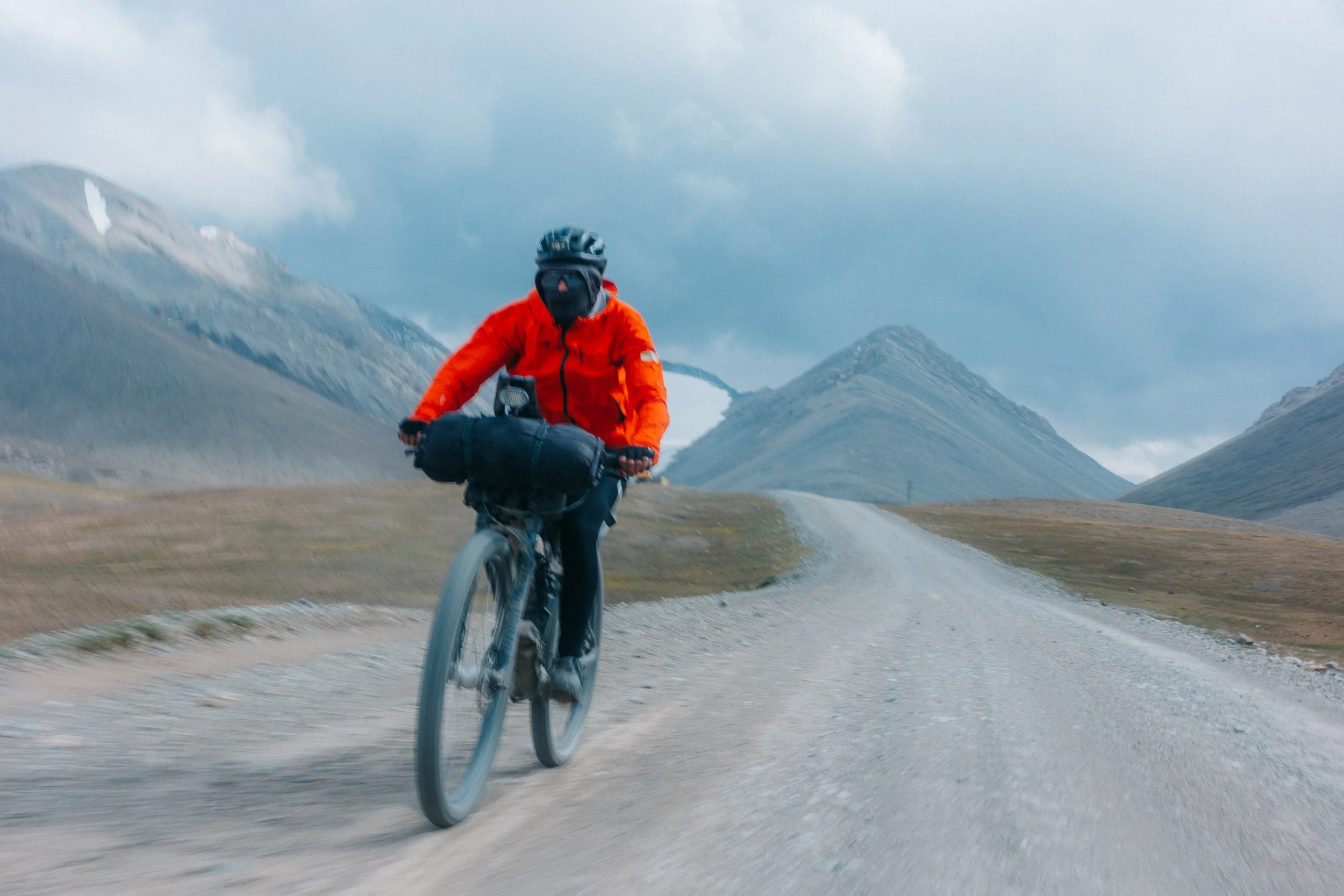
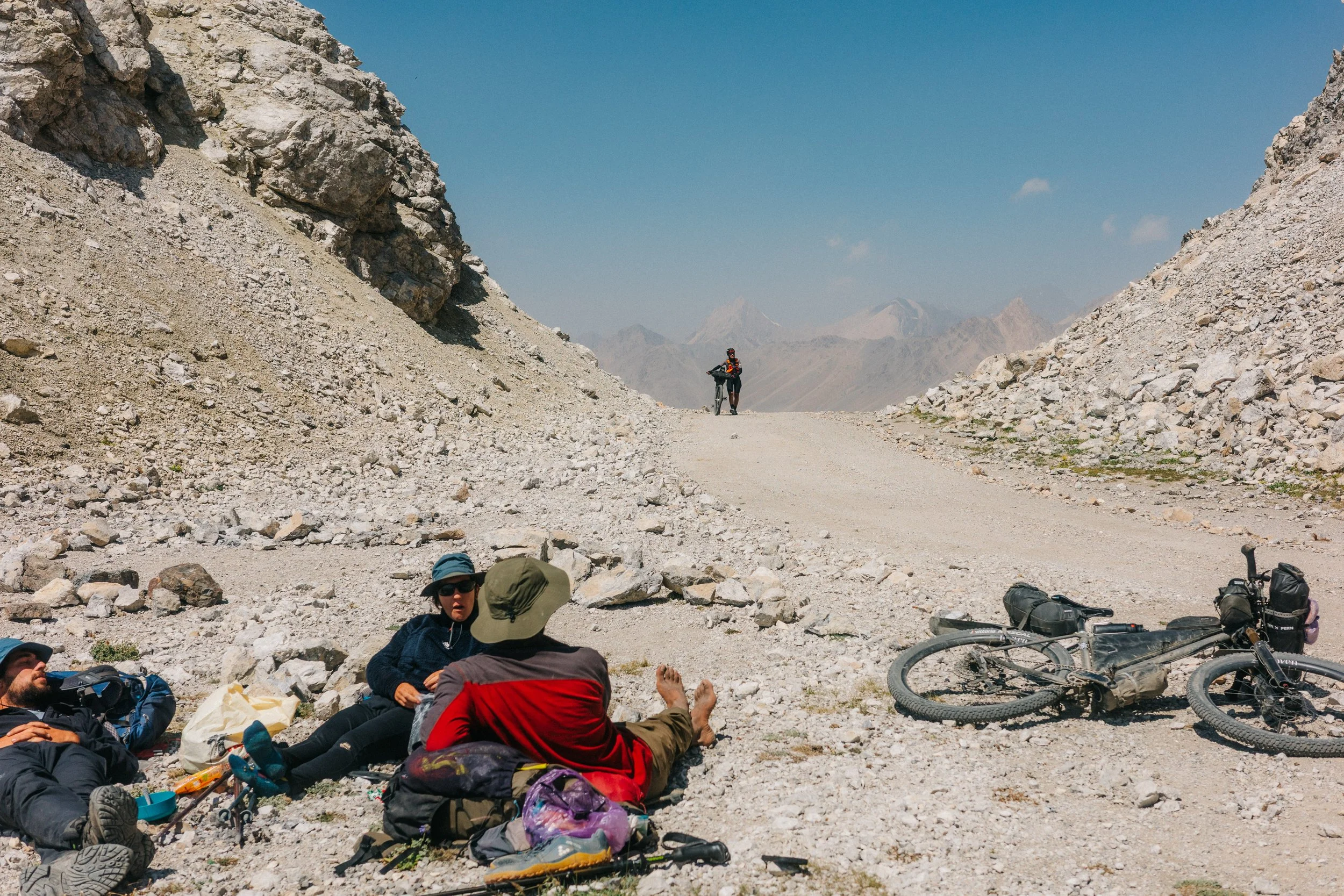
When you ride or race on road you obviously go faster than you do off-road. Riding MTBs, the concept of time is completely different. Almost everything takes longer, particularly if you’re not able to ride on some technical parts. But actually, I didn’t suffer from that. I knew it would be slower than what I’m used to and I just accepted that some parts would take time. It really helped me to enjoy the moments. Also, I never walked and pushed my bike that much during a race. But even if it was tough, I enjoyed it as well. It was nice to have a change in the rhythm, to enjoy the surrounding nature in a different way.
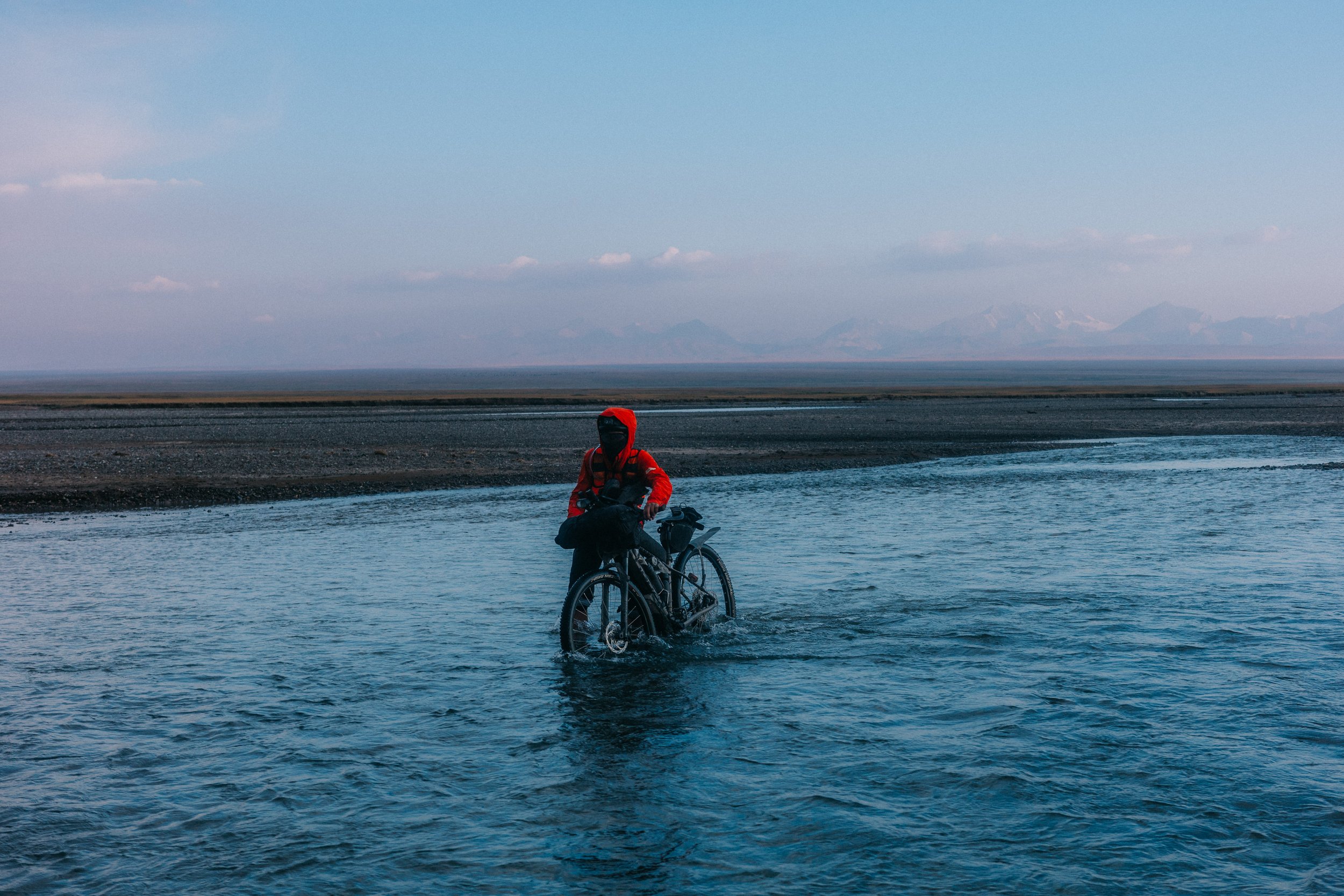
River crossings were definitely a big big challenge, which I wasn’t used to. I’m very happy that it got easier with the days and that I slowly felt more and more confident going through the icy water. Silk Road Mountain Race is also renowned for the difficulty of getting resupplies. So we had to plan very carefully before the most remote sections, which never happened to me on road races before and was also pretty challenging.
Stefan, you were forced to scratch from SRMR 2022 after coming down with covid. How was racing with a partner different from racing solo?
Kyrgyzstan is such a beautiful, wild, and remote place. It’s amazing to share all those wonderful (and also hard) moments with your race partner. Excercising patience and understanding for Hélène's needs during the race was honestly not always easy, but in the end we worked very well together as a team. We grew from it. Solo racing means reflecting on yourself all day long. Riding in a pair requires you to notice and respect the physical and mental situation of your partner even more than your own. Communication is key.
Hélène, how did you experience your pair dynamic? How has it changed your relationship? Would you do it again?
I liked it! But it’s a bit easy for me to say so, as I have the feeling Stefan helped me much more than I helped him. He helped me to cross countless rivers, pushing or pulling my bike when it was super steep, etc. I think I mostly helped him mentally, trying to cheer up when he felt a bit down, and staying (almost always) positive and happy whatever happened.
More seriously, it was an interesting challenge because racing as a pair, you need to consider not only your feelings and needs but also your partner’s. It’s not always easy but I think we did great at communicating, trying to share everything with the other: how we felt, what we wanted, what food we would like to get at the next resupply, when we would like to sleep… And also we tried to regularly share words of encouragment with each other. So I don’t really know if it “changed” our relationship, but it probably made it stronger. Now we know that we can face hard things together, and that we can overcome them as a team. About doing it again, I don’t know yet. Probably! But we both like racing solo as well and don’t want to stop doing that…
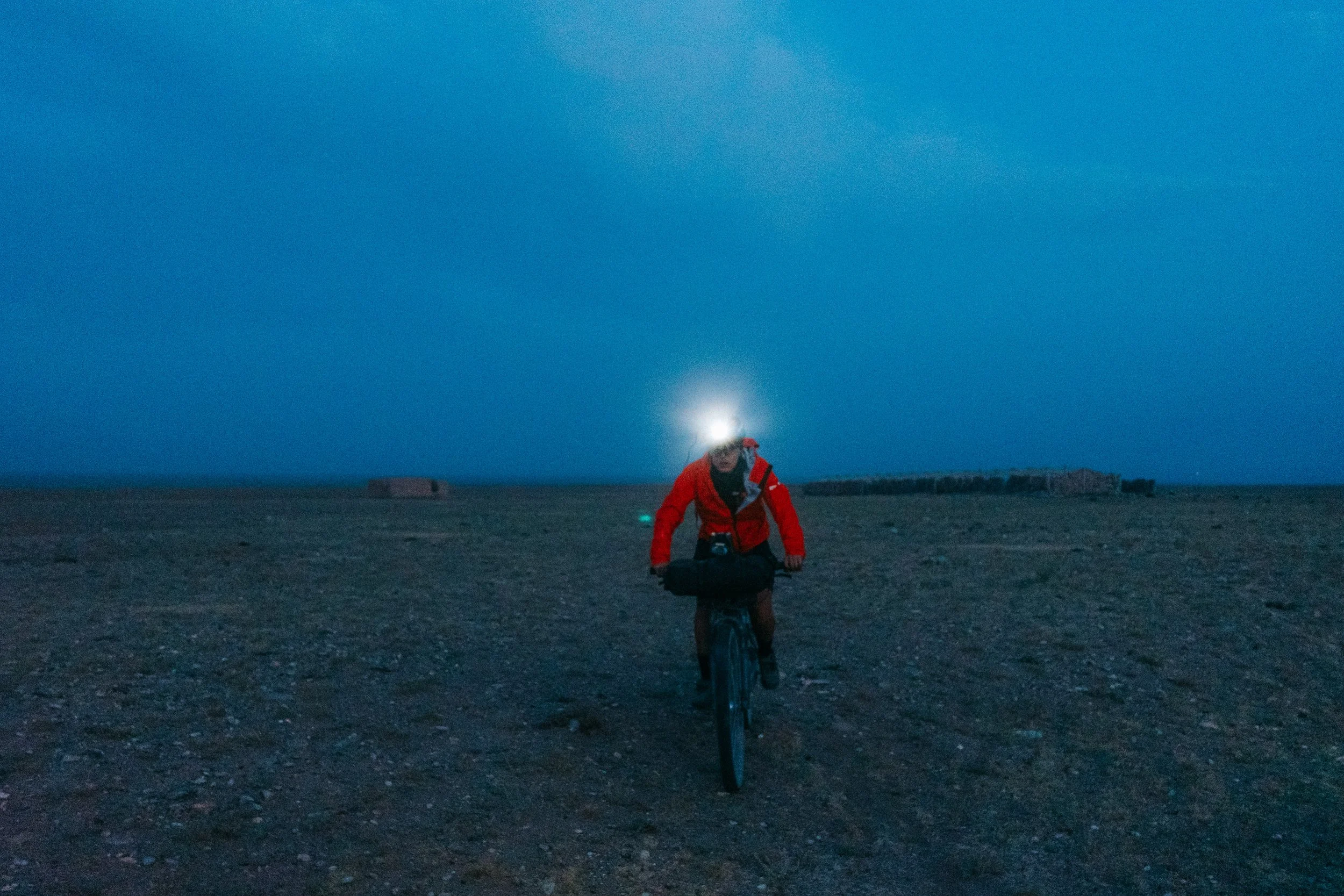
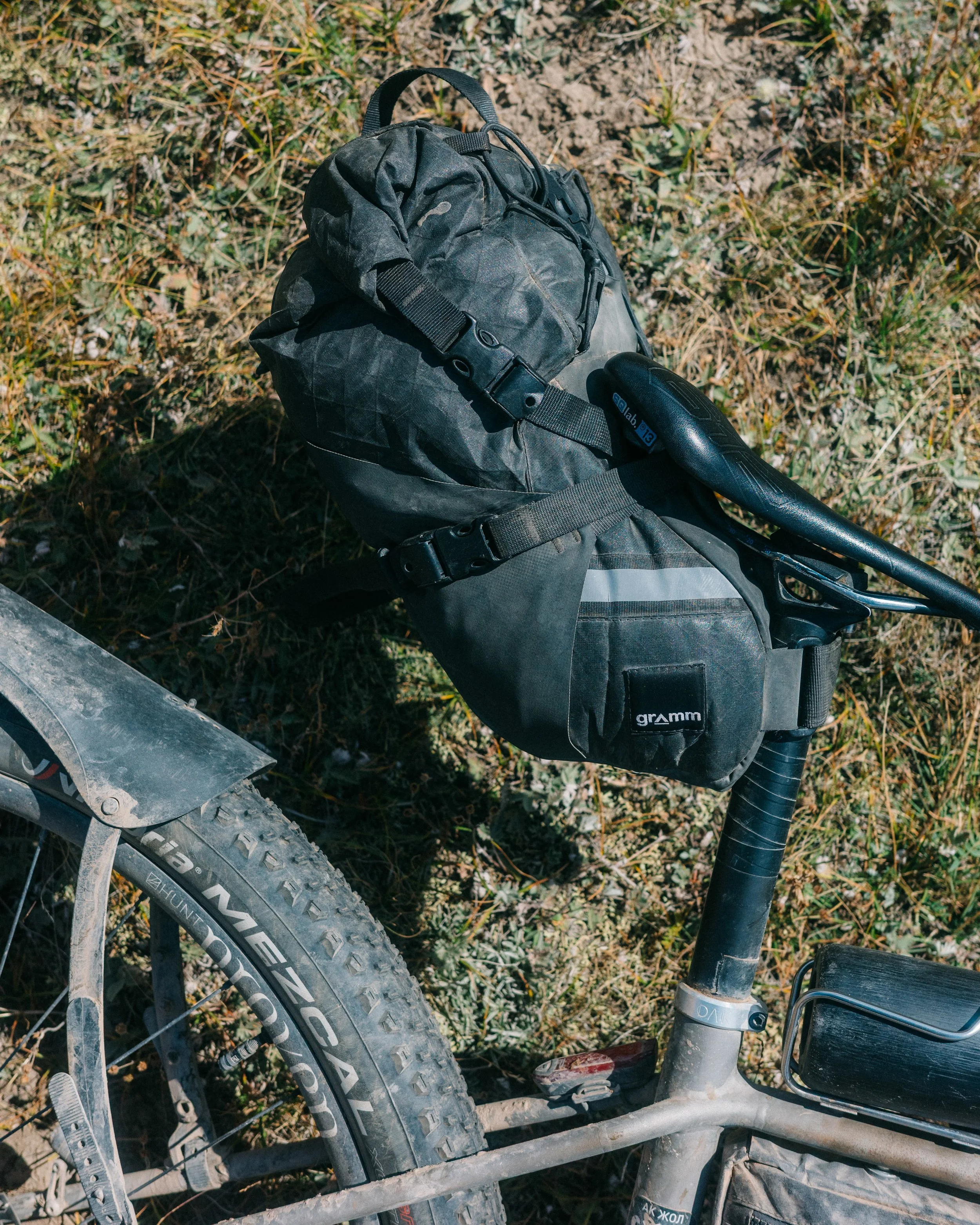
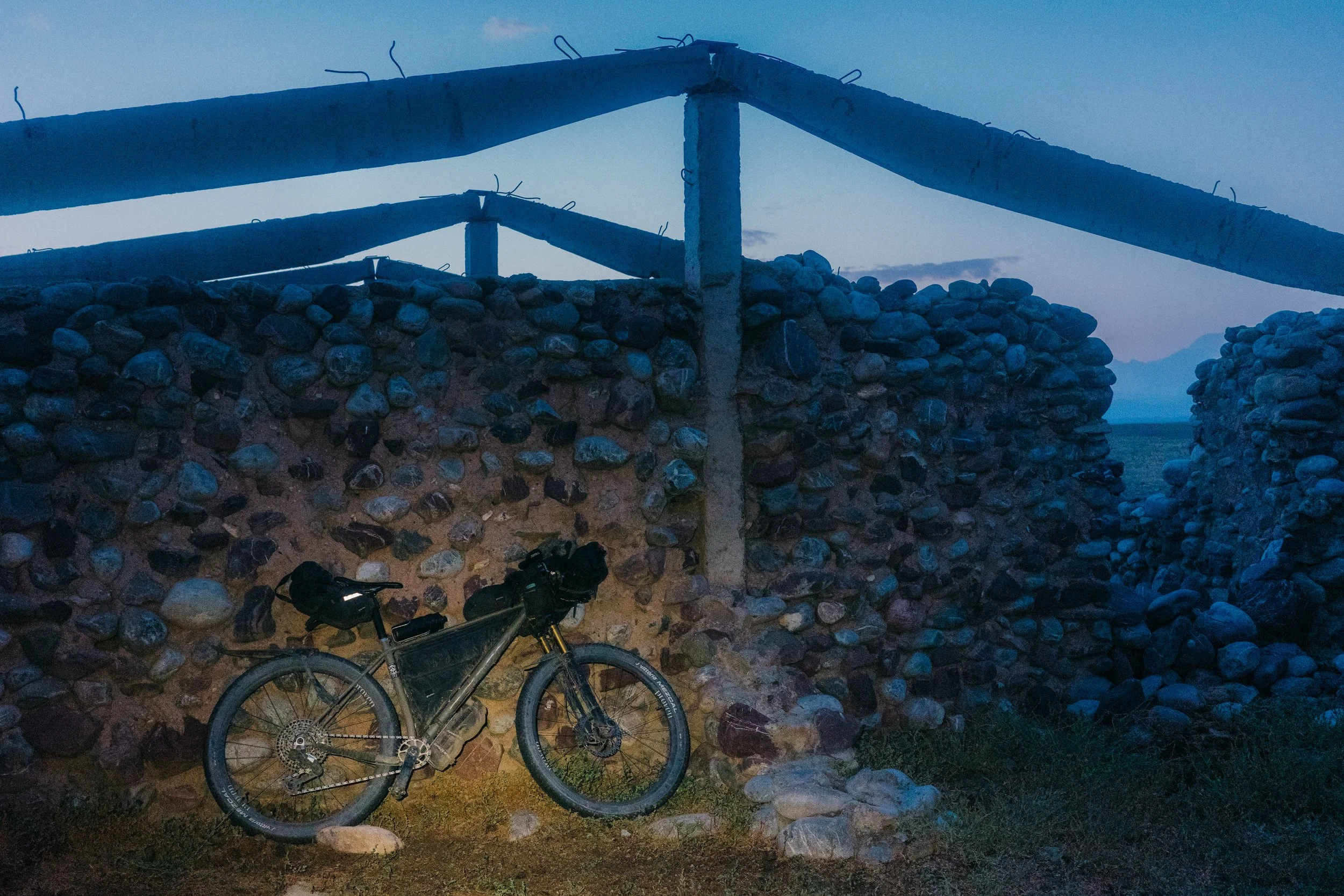
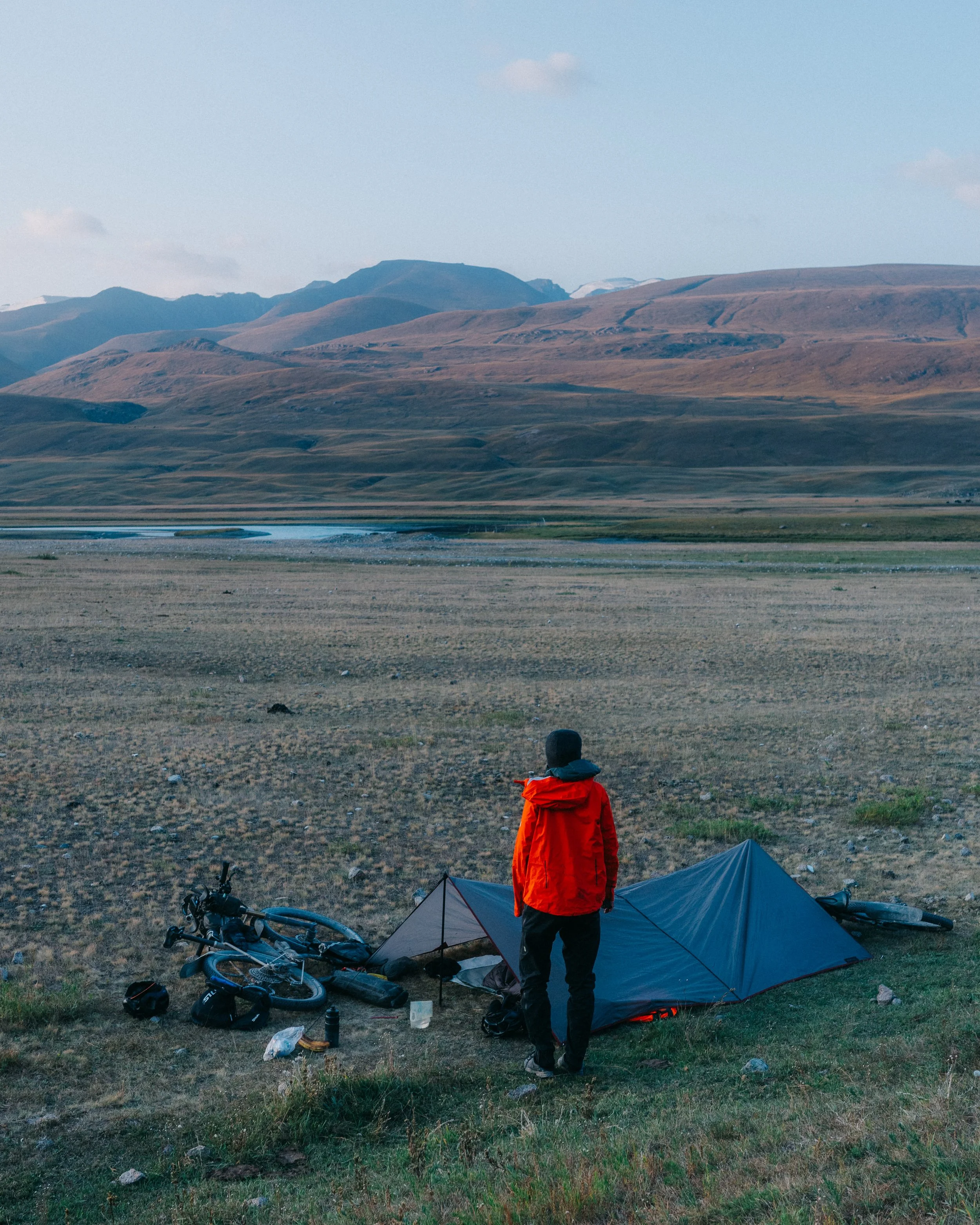
You two packed extremely light even by SRMR standards. For example, you didn’t bring a tent, only a tarp. Bike, gear, clothes—what worked, what didn’t, what would you do differently next time?
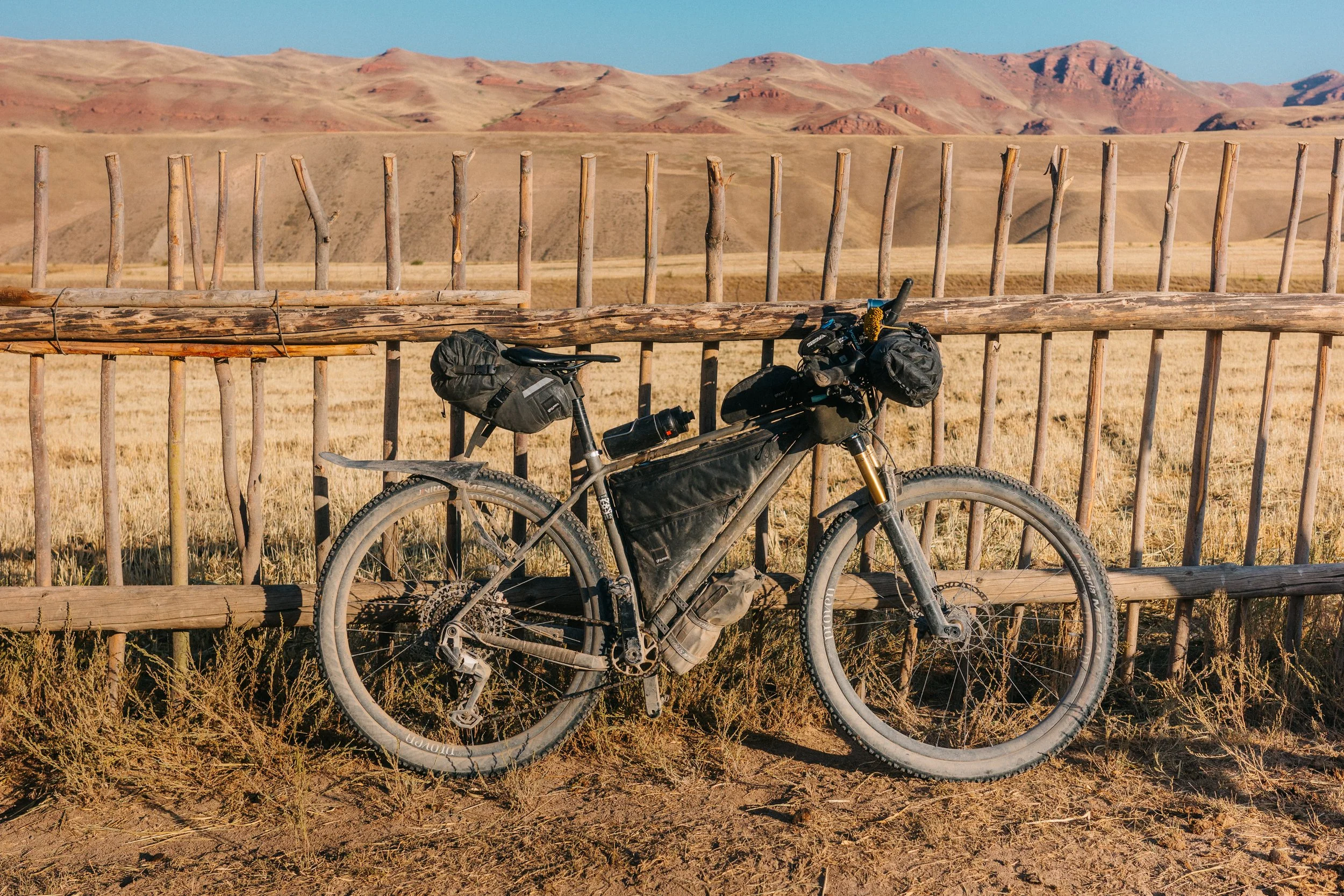
Hélène: I’m still very amazed that we didn’t have any mechanical issue during the whole race, not even a single puncture. So we didn’t use many tools, and also didn’t open the first-aid kit. In terms of clothes, there was nothing I didn’t use and nothing which I missed. Maybe a pair of waterproof socks or even a pair of shoes for river crossings? I think that, even if Silk Road is special and needs specific thinking, we both had the experience of our equipment and the habit of packing light and efficiently.
Stefan: Regarding the bike, I was even more minimal last time, as I just had a rigid carbon fork on my MTB back then. I would definitely advise to use a suspension fork. It’s way more comfy and also more fun in the descents. Like Hélène said, we used every piece of kit we brought. I didn’t really miss anything. Some stuff would have been be nice to have. But then comes the hike-a-bike and I was very happy the bike wasn’t heavier. For the next pair ride, I would consider bringing a tent. It would have added less than 500g and gives a bit more freedom in where you can stop and be protected from wind and heavy rain. With only the tarp, we were concerned at times—the weather in the high mountains is hard to predict, especially when you come fromt he flatlands. In the end, we were quite lucky with the weather and didn’t have any problems with the tarp.
An ultra race can feel like a different lifetime. What sticks with you about the place and the race after several weeks of being back home?
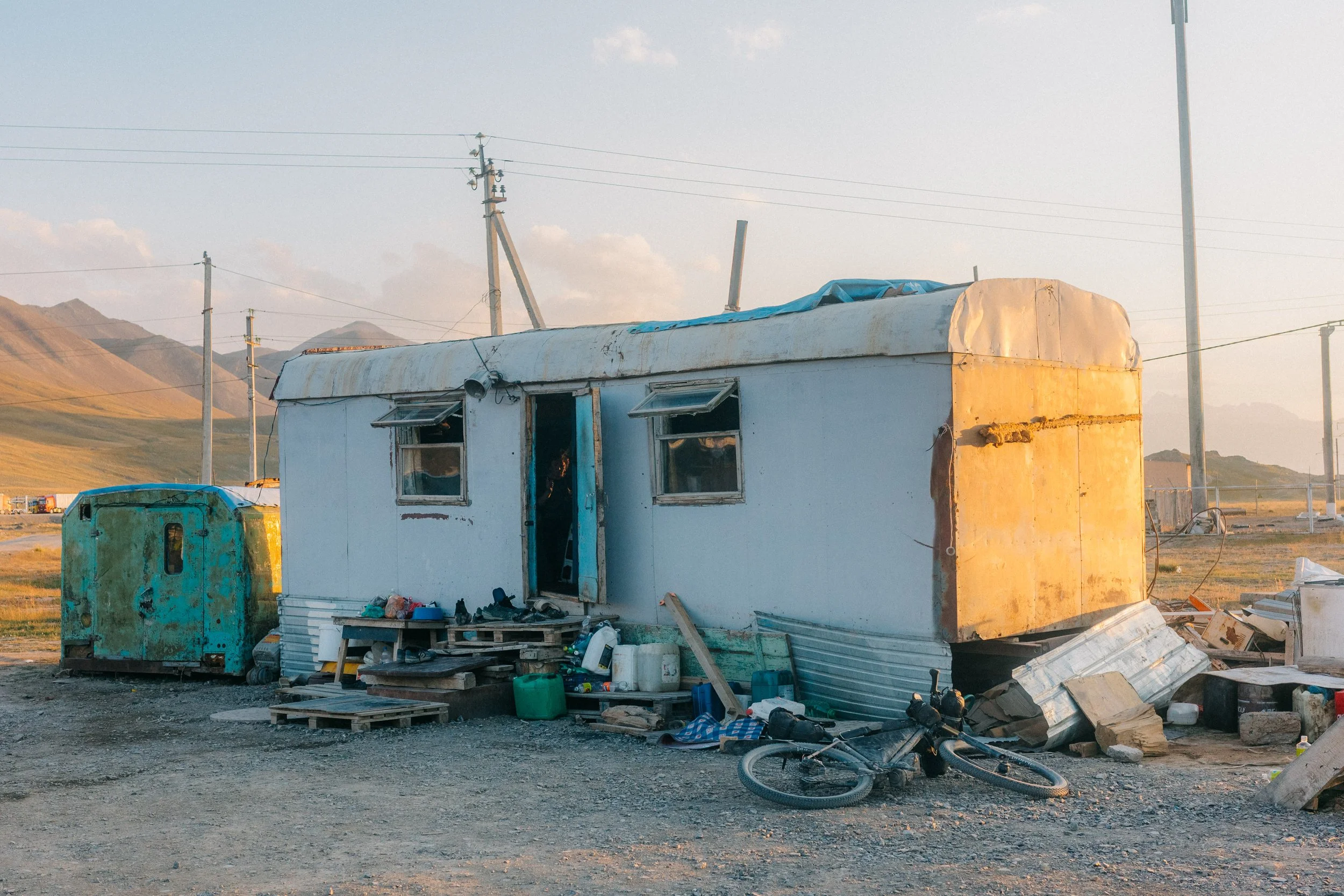
Hélène: We still don’t really realize that we’ve been in such amazing and mighty landscapes. Looking at the photos, it’s like “that cannot be me on this bike.” Because during the race, even though we were open to the surroundings, we were in our bubble, always thinking about the next ten kilometers, the next resupply, the next river to cross, the next camp spot. When you pedal in this mode, you don’t see the adventure as a big picture, but as many many small steps. So it’s difficult to realize that we finished a huge challenge reserved for the most daring and experienced bikepackers. But what sticks the most after being back is the hospitality, the kindness, and the generosity of Kyrgyz people. They don’t live with much but they always offered us so much… Back home, it really make you think a lot about what you have, what you need, and what is important in life.
Any upcoming plans or anything else you’d like to share?
Stefan: The Atlas Mountain Race is the next event on our radar. We plan to connect it with a bikepacking winter escape around the western Mediterranean. That’s the idea for now. I’m sure there will be more rides and adventures ahead for us, solo or as a pair. Soon we’re heading for a short week of remote hiking in the Alps. In the off-season you can climb up and down the mountains without seeing another human soul for days. I like that as an opposite to the big city life. But that’s another story…
Hélène: Yes, we will ride AMR in Morocco next year, this time not as a pair but as two solo riders. Let’s see if I can ride a mountain bike on my own!